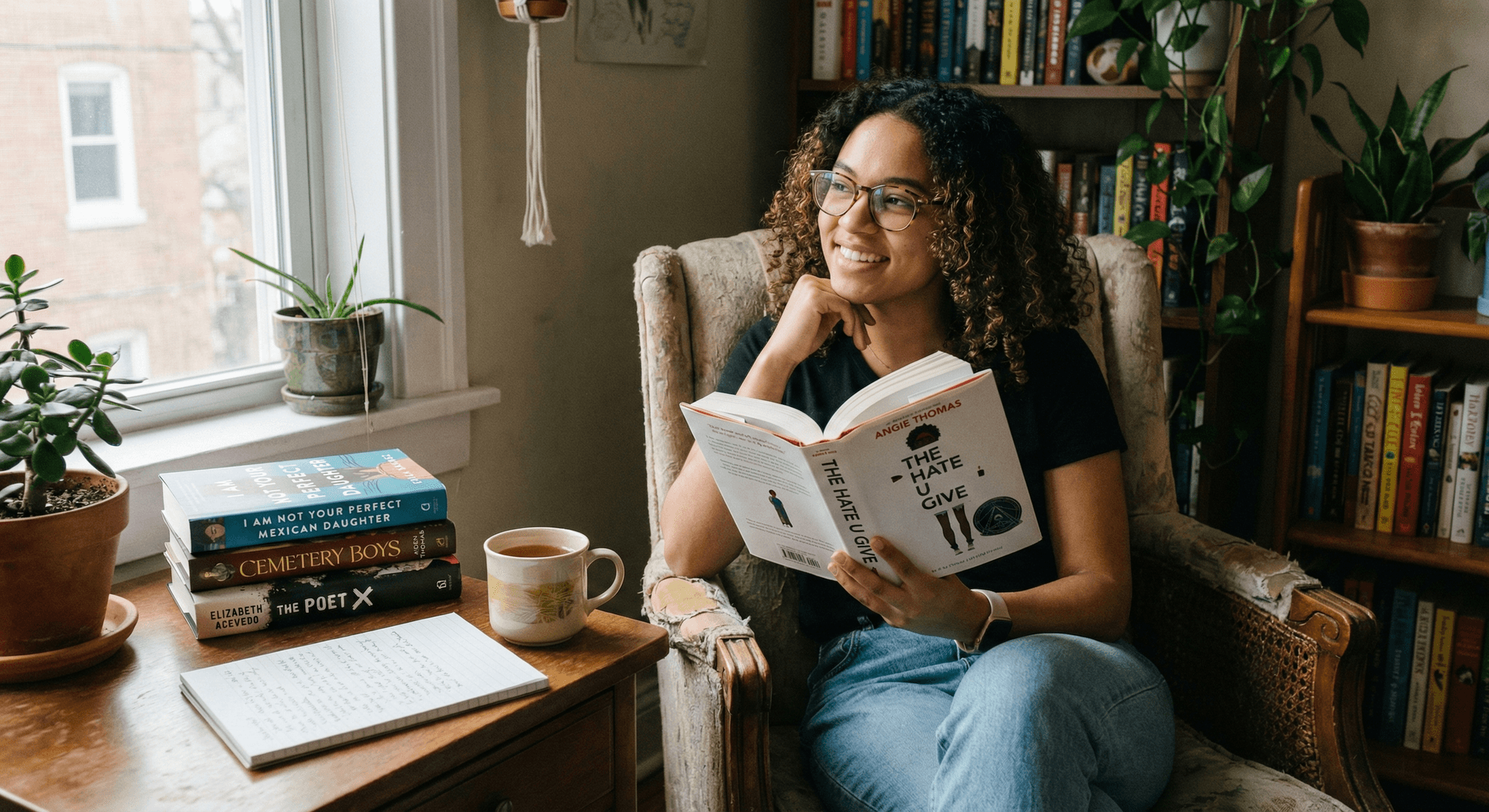
I grew up reading books about people who looked like me, thought like me, lived lives like mine. I didn't notice this at the time—it felt like reading about "universal" human experience. It wasn't until I started deliberately seeking out diverse voices that I realized how narrow my reading had been, and how much I'd been missing.
YA is leading the charge in diverse representation, and the results are books that have genuinely changed how I see the world. These aren't "issue books" that exist to teach lessons. They're great stories that happen to center experiences I hadn't encountered before.
Why Diverse YA Matters
Mirrors and Windows
There's a concept in children's literature: books should be both mirrors (reflecting the reader's own experience) and windows (showing experiences different from the reader's own). For too long, certain readers had only mirrors while others had only windows. Diverse publishing means more readers get both.
Better Stories
When you expand who can tell stories, you get stories that haven't been told before. Diverse YA isn't just representative—it's frequently innovative, because these authors are drawing on traditions and perspectives that mainstream publishing ignored for decades.
Empathy Building
Reading fiction builds empathy—this is backed by research. Reading about characters whose experiences differ from your own builds empathy for real people whose experiences differ from your own. Diverse reading makes you a better person, not just a more interesting reader.
The Books That Expanded My World
The Hate U Give by Angie Thomas
Starr witnesses a police officer shoot her unarmed friend and must decide whether to speak out. Thomas puts you inside Starr's experience with unflinching honesty, showing both the macro-level injustice and the personal cost of facing it. This book made me understand things I thought I already understood.
American Street by Ibi Zoboi
Fabiola immigrates from Haiti to Detroit and must navigate a new culture while dealing with family crisis and dangerous circumstances. Zoboi writes with a voice unlike anything else in YA—lyrical, mystical, grounded in Haitian traditions that inform every page.
I Am Not Your Perfect Mexican Daughter by Erika L. Sánchez
Julia deals with her sister's death, her parents' expectations, her own mental health, and her dream of becoming a writer. Sánchez captures the pressure of being a first-generation American daughter with humor and heartbreak.
Darius the Great Is Not Okay by Adib Khorram
Darius, who is half-Iranian, visits Iran for the first time and finds unexpected connection with his grandfather and a new friend. Khorram writes about depression, cultural identity, and friendship with warmth and specificity.
The Poet X by Elizabeth Acevedo
Written in verse, this follows Xiomara, a Dominican-American girl finding her voice through slam poetry despite her mother's religious strictness. Acevedo was a slam poet before she was a novelist, and her ear for rhythm is exceptional.
They Both Die at the End by Adam Silvera
In a world where people receive alerts on their death day, two strangers spend their final hours together. Silvera writes queer characters and characters of color with matter-of-fact inclusion—their identities matter without being the point.
How to Find More
The We Need Diverse Books organization maintains resources for finding diverse titles. Goodreads has curated lists by identity and experience. Many librarians are passionate about this and can make personalized recommendations.
Most importantly: don't treat diverse reading as homework. These are great books that happen to expand your perspective. Read them because they're good, and let the perspective expansion be a bonus.
— mrod