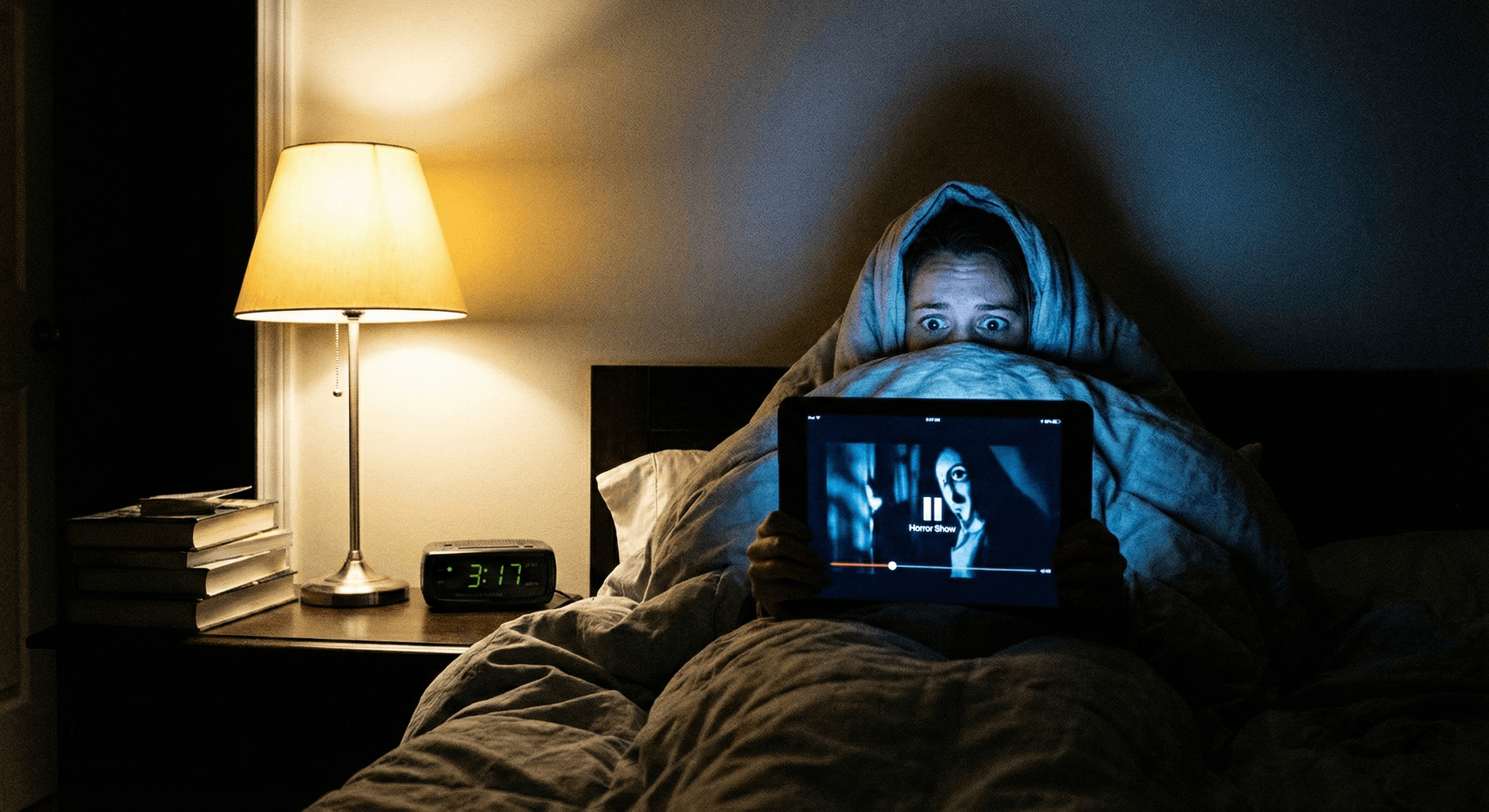
There's a specific kind of reader who actively seeks out books that will terrify them. I am that reader. I read horror fiction knowing it will mess with my sleep, haunt my showers, and make me paranoid about every creaking floorboard. And I wouldn't have it any other way.
Horror series are a special breed. Unlike standalone horror novels, series let authors build dread over time. The monsters become more terrifying as we learn more about them. The characters we've grown to love face escalating dangers. The mythology deepens until the whole fictional world feels wrong in the best way.
What Makes Horror Series Uniquely Effective
Extended Dread
A single horror novel has to establish its terror and pay it off in one volume. A horror series can marinate in dread. Authors can spend books setting up something terrible, then deliver it when you're least expecting it.
Character Investment
The scariest moments in horror come when we care about the characters. Series give us time to develop that connection, which makes the scares hit harder. When you've spent three books with a protagonist, the fourth book can devastate you.
Mythology Building
Horror series can create complex, terrifying mythologies that a single book couldn't support. The rules of the horror become clearer, which paradoxically makes them scarier because we understand what the characters are truly facing.
The Horror Series That Actually Got to Me
The Southern Book Club's Guide to Slaying Vampires and Related Works by Grady Hendrix
Grady Hendrix writes horror that feels personal and real before the supernatural elements kick in. His books examine how ordinary life can be horrifying even before the monsters show up. Not a traditional series, but his body of work shares themes and tonal DNA that reward reading multiple books.
The Haunting of Hill House and We Have Always Lived in the Castle by Shirley Jackson
Yes, these are individual novels rather than a series. But reading multiple Shirley Jackson works gives you a master class in psychological horror. Her influence on the genre is immeasurable, and her exploration of haunted people (not just haunted houses) remains unmatched.
John Dies at the End by David Wong (Jason Pargin)
This series defies easy description. It's horror. It's comedy. It's cosmic weirdness that shouldn't work but absolutely does. The humor actually makes the horror more effective—you're laughing and then suddenly you're deeply unsettled.
The Terror and The Troop by Nick Cutter
Nick Cutter writes body horror that will make you physically uncomfortable. The Troop, about a scout troop on a remote island encountering something terrible, is one of the most viscerally disturbing books I've ever read. Little Heaven delivers similar vibes in a different setting. Not for the faint of heart.
Classic Horror Series Worth Exploring
- Stephen King's connected universe - Many King novels share subtle (and not so subtle) connections. The Dark Tower serves as a spine, but dozens of his books reference each other.
- Anne Rice's Vampire Chronicles - Before the current vampire romance boom, Rice created literary vampire fiction with philosophical depth.
- Clive Barker's Books of Blood and beyond - Short story collections that redefined what horror fiction could be.
A Note on Content Warnings
Horror is visceral by nature. The books I've mentioned contain violence, disturbing imagery, and content that some readers find genuinely upsetting. That's kind of the point—but it's also worth knowing what you're getting into.
Our database includes content notes where available. If you have specific triggers, check before diving into a new horror series.
Why Horror Fans Need Reading Order Guides
Horror series often have complex publication histories. Authors write shared universe stories, pen novellas that fill in backstory, and occasionally retcon earlier works. Knowing the reading order ensures you experience the scares as intended.
Stephen King's connected works, in particular, benefit from some guidance. The references between books are sometimes subtle, sometimes plot-critical. Reading in the right order enhances the "oh no" factor significantly.
My Horror Reading Philosophy
I read horror because I want to feel something. The best horror fiction makes you confront fear in a safe context. It's cathartic. It's thrilling. And when a book genuinely scares me—truly gets under my skin—there's nothing else like it.
If you're a fellow horror devotee, search our database for reading orders of your favorite horror authors. Let's be scared together.
Sleep tight.
— mrod